Guided vs. Rental Snowmobile Operations: How Insurance Differs
Plenty of snowmobile businesses both guide tours and rent sleds, and to the owner it can feel like one operation. To an insurance carrier, they're two very different risks — priced, underwritten, and structured differently. Understanding why protects you from the most common and costly mistake in this niche: insuring a rental operation as if it were a guided one.
The Core Difference: Control
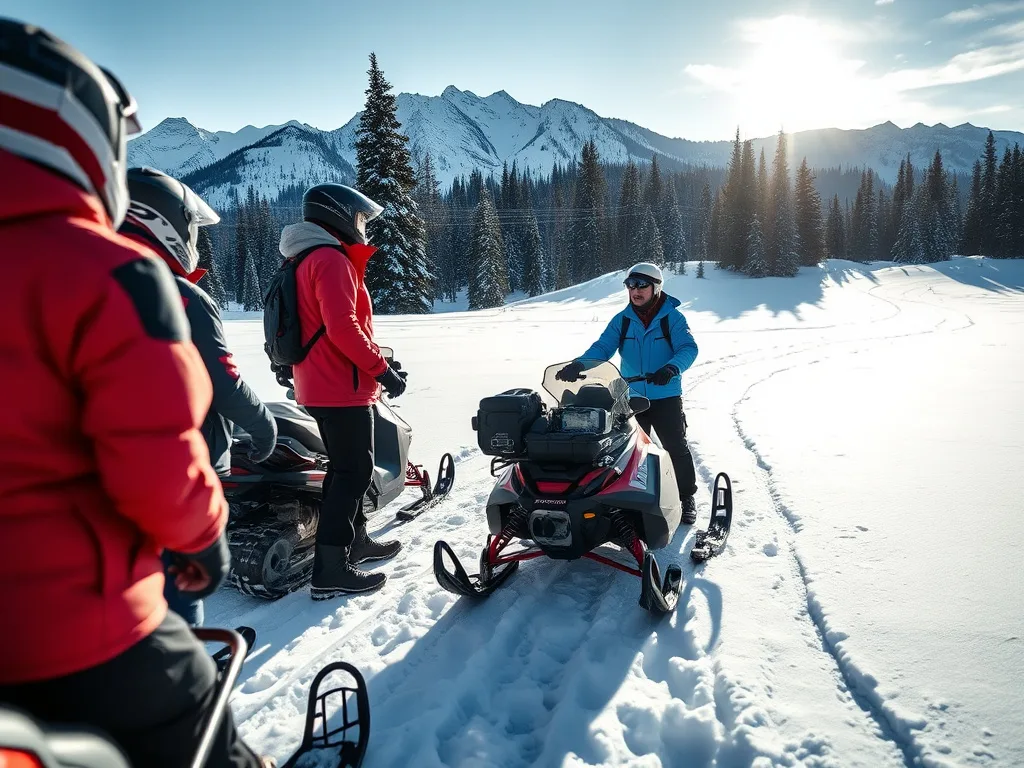
Everything comes down to control. On a guided tour, a trained professional stays with the group, sets the pace, chooses the route, reads the conditions, and makes the decisions. The operator maintains control of the experience from start to finish.
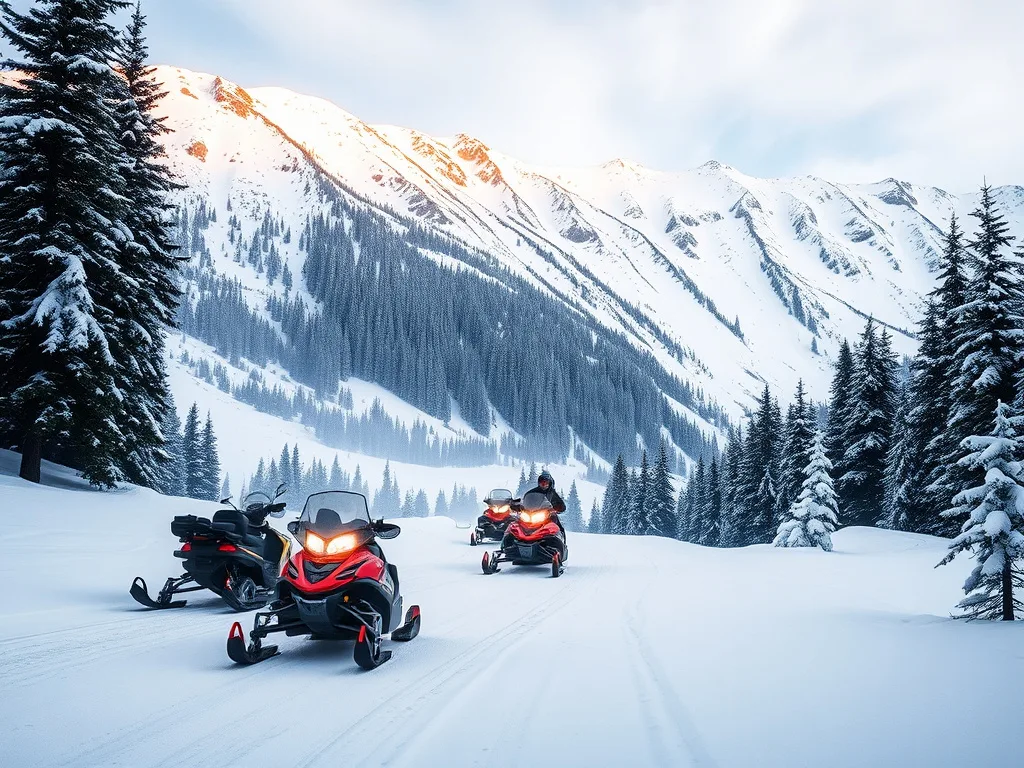
A rental does the opposite. You hand a powerful machine to a customer — who may have never ridden a snowmobile in their life — and then they ride off, out of your sight and beyond your control. That loss of control is the single defining feature of rental risk, and it's why carriers treat the two operations so differently.
Why Carriers Rate Rentals Higher
Because rental customers are untrained and unsupervised, rental fleets simply crash, tip over, and get abused more than guided fleets. That shows up in two places:
- Higher physical-damage losses. Rental sleds take more damage, more often, so physical-damage premiums and deductibles are rated accordingly.
- Higher liability exposure. An inexperienced renter operating unsupervised creates more liability risk than a guest under a guide's control.
The result is that a rental operation generally costs more to insure than a comparable guided operation, and it's underwritten with more scrutiny.
Coverage Differences That Matter
Guided Operations Guided programs are rated on guiding and professional exposure. The key coverages are general and participant liability (for guest injuries under your supervision) and professional liability (for your guiding decisions — route selection, briefings, terrain calls). Physical damage on the fleet is sized for professional, supervised use.
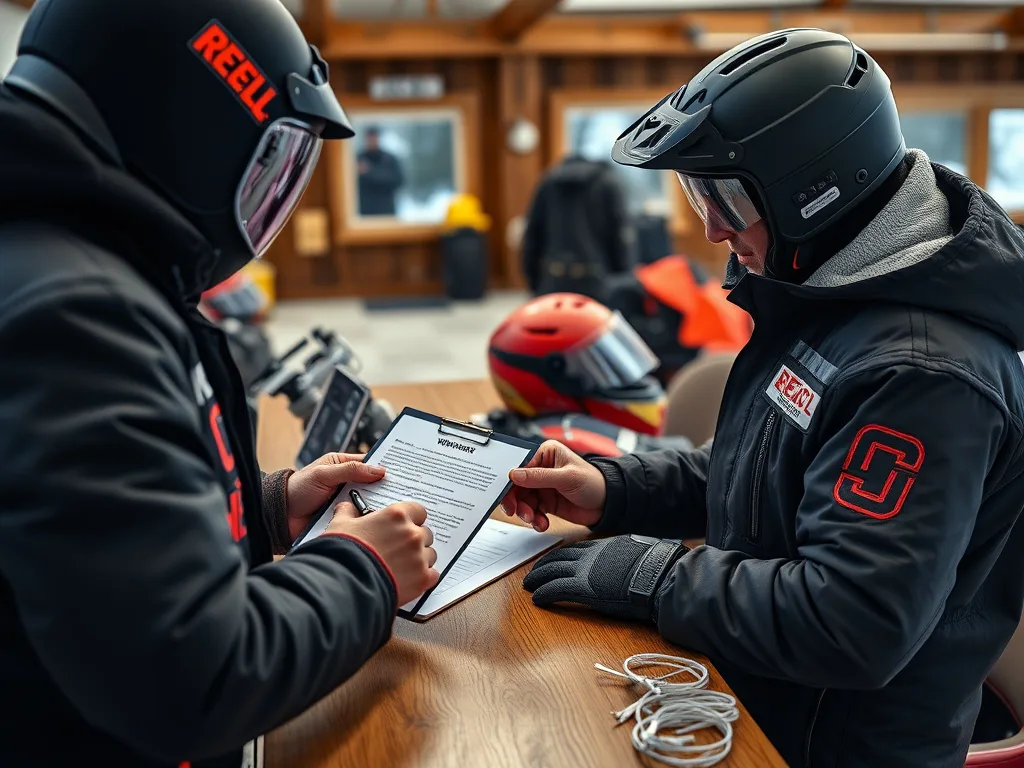
Rental Operations Rental programs need rental liability written for the loss-of-control exposure, physical-damage limits sized for higher loss frequency, and often support for a collision-damage-waiver (CDW) program offered to renters. Renter screening — verified ID and age, signed agreements and releases, and a real safety orientation — becomes central both to reducing claims and to how the operation is rated.
The Damage-Waiver Distinction
Rental operators often offer customers a collision-damage waiver for a daily fee. It's useful, but it is not insurance — it's a customer-facing product that reduces the renter's responsibility for damage. How that program interacts with your own physical-damage coverage matters, and it needs to be structured so a badly damaged returned sled is a covered loss rather than a dispute.
If You Do Both, Insure Both Correctly
This is the crucial takeaway. Many operators run guided tours and rent sleds, and a policy built only for the guided side can leave the rental operation underinsured — or excluded outright. If you rent even a portion of your fleet, your program has to account for that exposure specifically.
The reverse is true too: a rental-focused policy might not fully address the professional-liability exposure of your guided trips. The right program schedules both operations correctly so neither falls into a gap.
Get a Program Built for How You Actually Operate
Whether you guide, rent, or do both, your coverage should match your real operation — not a generic assumption. Tell us how your fleet is used and we'll structure it correctly. Request a quote or call 844-967-5247.
Ready to protect your operation?
Tell us how you operate and we'll build coverage around your real exposure.