Coverage — Workers Compensation
Workers Compensation for Snowmobile Guides & Seasonal Staff
Your crew works in cold, remote, motorized terrain — some of the highest-injury conditions in recreation. When a guide or mechanic gets hurt on the job, workers comp is what stands between them and your balance sheet.
Why snowmobile operations need workers comp
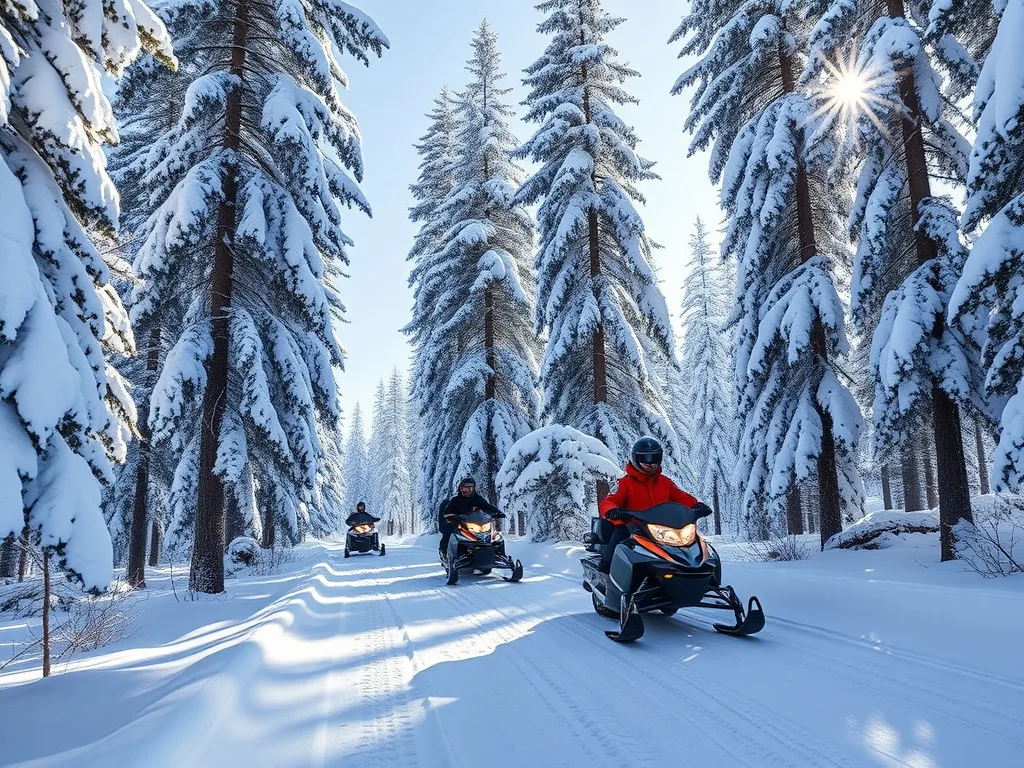
Guiding snowmobile tours is physical, cold-weather, motorized work in remote places. Guides ride hard all day, mechanics wrench on heavy machines, and trail hands load and unload sleds in freezing conditions. That's a genuine on-the-job injury exposure — frostbite and cold injury, crashes, strains, and lifting injuries are all real.
Workers compensation pays the medical bills and a portion of lost wages when an employee is injured on the job, regardless of fault. It also includes employer's liability, which responds if an injured worker sues over the injury. For most operators it's not optional — it's the law.
It's state-mandated once you have employees
In most states, workers compensation is legally required as soon as you have employees, regardless of how short your season is. The specific threshold — how many employees trigger the requirement — varies by state, but the direction is consistent: hire staff, carry comp.
Operating without required coverage exposes you to fines, stop-work orders, and personal liability for an injured worker's full costs. Because snowmobile operations often run across multiple states, it's important to get the requirement right in each state you operate in.
Seasonal payroll and how comp is rated
Workers comp premium is driven largely by payroll and job classification, which fits a seasonal operation well: you pay based on the wages you actually pay. A short, intense winter season is reflected in the rating, and many policies reconcile at audit so you're charged for your real exposure rather than a flat guess.
Because your payroll spikes in winter and drops off-season, it's worth structuring the policy and estimating payroll carefully up front, then letting the audit true it up. We help you set realistic payroll figures so you're neither overpaying through the season nor facing a surprise audit bill.
The 1099-vs-employee trap
Many operators try to sidestep comp by classifying guides as 1099 independent contractors. It rarely works the way they hope. States can — and do — reclassify workers based on how the work is actually controlled, and an injured 'contractor' can still trigger claims, penalties, and back premiums.
If you direct how, when, and where your guides work, provide the sleds and gear, and set the schedule, a state is likely to view them as employees no matter what the paperwork says. We help you understand the classification rules in your states so a misclassification doesn't become an uninsured injury.
Backcountry injuries and remote response
An injury in the backcountry is more serious and more expensive than the same injury in town — evacuation is harder, care is delayed, and cold compounds everything. That makes workers comp especially valuable for guide services operating far from the trailhead, and it makes documented safety and emergency-response protocols important to carriers.
Employer's liability, included with workers comp, also covers you if an injured employee alleges the injury resulted from unsafe conditions. For remote, motorized operations, that's a meaningful layer of protection beyond the medical and wage benefits.
Cover your crew
Your guides and staff are the operation. Tell us about your seasonal payroll and how your crew is structured, and we'll set up workers compensation that meets your states' requirements and reflects your real exposure.
Request a quote or call 844-967-5247.
Workers Compensation FAQs
Answers for tour operators
In most states, yes — workers compensation is mandatory once you have employees, regardless of how short the season is. The employee-count threshold varies by state, and operating across multiple states means meeting each state's requirement.
Usually not safely. States reclassify workers based on how the work is actually controlled — if you set schedules, provide sleds and gear, and direct the work, guides are likely employees regardless of paperwork. Misclassification can bring penalties, back premiums, and uninsured injury claims.
Premium is driven mainly by payroll and job classification, so a short winter season is reflected in the cost. Many policies reconcile at audit against actual wages paid, so setting realistic payroll estimates up front avoids surprises.
Workers comp covers job-related medical costs and a portion of lost wages, and the included employer's liability responds if the worker sues over the injury. Remote, cold terrain makes injuries more serious and evacuation costlier, which is exactly why the coverage matters.
Protect your operation this season
Tell us about your tours, rentals, or guide service and we'll build coverage around your real exposure — with the certificates and additional-insured endorsements your permits and venues require.