Do Liability Waivers Actually Protect Snowmobile Tour Operators?
Nearly every snowmobile tour operator has guests sign a waiver, and many treat it as their primary protection against lawsuits. That confidence is often misplaced. Waivers are genuinely useful, but they do far less than most operators believe — and understanding their limits is essential to protecting your business.
What a Well-Drafted Waiver Can Do
A properly written participant waiver and release has real value. When it's drafted to your operating states, clearly communicates the inherent risks of snowmobiling, and is signed by an adult before the activity, a waiver can:
- Deter some claims from being filed in the first place
- Establish that the guest knowingly assumed the inherent risks of the activity
- Provide a defense if a lawsuit is filed
- Document that you disclosed the risks
Those are meaningful benefits. A good waiver is part of a sound risk-management program.
Where Waivers Fall Short
The problem is that operators treat waivers as a force field, when they're really just one layer of defense — and a layer with significant gaps.
Enforceability Varies Dramatically by State There is no national rule on waivers. Some states enforce well-drafted releases for the inherent risks of an activity. Others are hostile to them. A handful — Virginia being the classic example — refuse to enforce pre-injury releases at all on public-policy grounds. If you operate in multiple states, a waiver that holds up in one may be worthless in another.
The Gross-Negligence Carve-Out This is the big one. No waiver, in any state, bars a claim of gross negligence, recklessness, or intentional conduct. And those are exactly the allegations a plaintiff's attorney will raise. If a guest is seriously hurt, the lawsuit won't politely stay within the bounds of "ordinary negligence" your waiver might cover — it will allege the operator was grossly negligent, precisely to defeat the release.
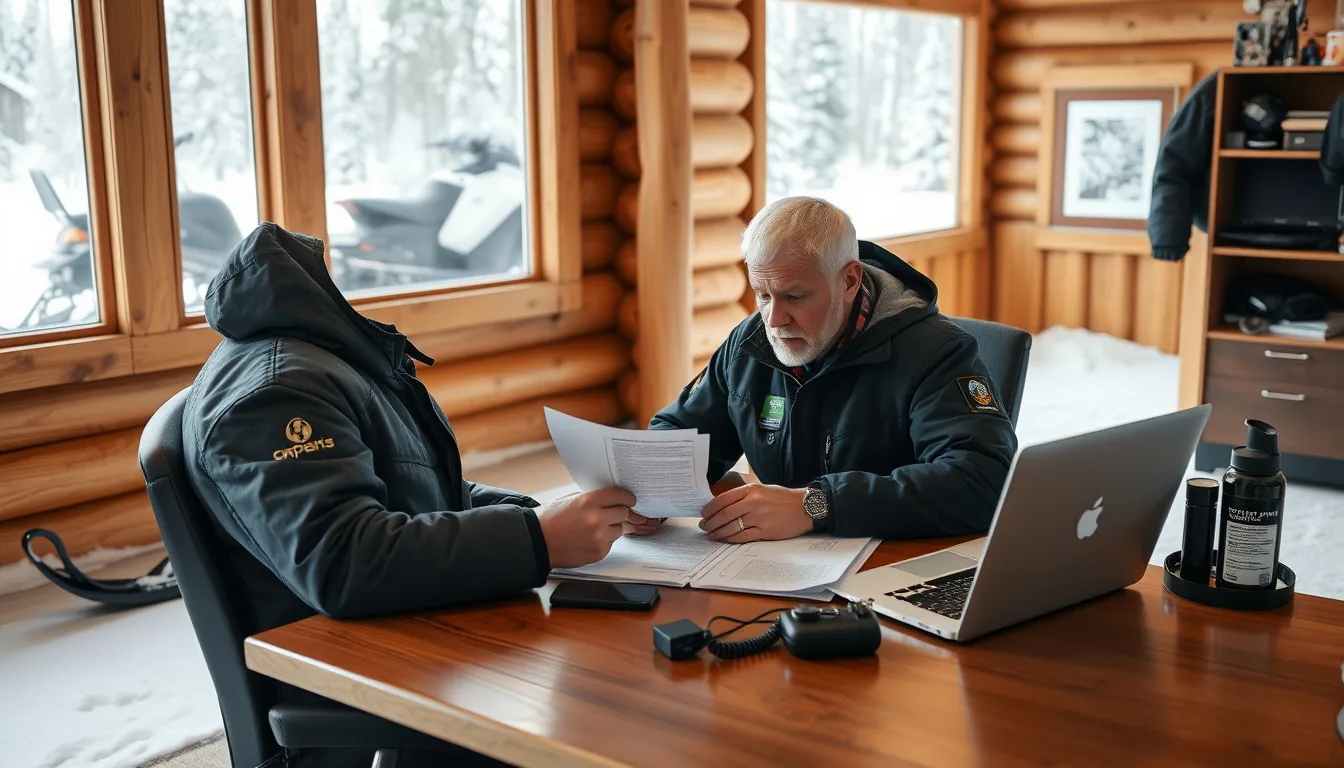
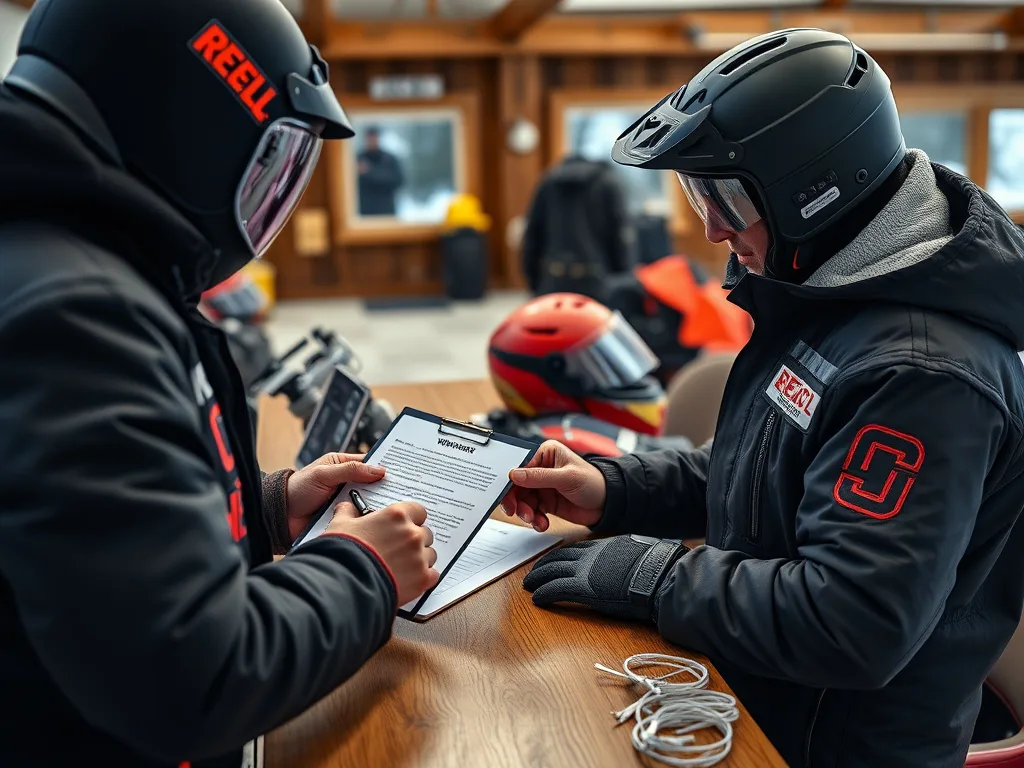
Execution Problems A waiver signed by a minor, signed after the activity started, or signed by someone without authority may be worthless. Sloppy execution is a common reason waivers fail when they're finally tested.
Drafting Essentials
If you use waivers — and you should — do them right:
- Have counsel draft them for the specific states you operate in, not a generic template.
- Communicate the risks specifically — motorized backcountry recreation, terrain, weather, and cold.
- Get them signed before the activity by an adult with authority.
- Keep signed copies on file as part of your documentation.
The Bottom Line: Waivers Support Insurance, They Don't Replace It
Here's the point every operator needs to internalize: a waiver does not pay defense costs, and it does not pay settlements or judgments. Your insurance does. Even in the best case — an enforceable waiver in a favorable state — you can still be sued, still have to mount a defense, and still face gross-negligence allegations the waiver can't touch.
A waiver makes your insurance more effective by deterring claims and strengthening your defense. It is not a substitute for coverage, and any operator relying on a waiver instead of insurance is one serious injury away from a catastrophe. Use both, together.
Want a program where your waivers and your coverage reinforce each other? Request a quote or call 844-967-5247.
Ready to protect your operation?
Tell us how you operate and we'll build coverage around your real exposure.